Looking At The Reality of What So Many People With Lyme Battle Behind The Scenes
Bella Hadid’s Lyme disease journey has brought significant attention to the physical and emotional reality of living with chronic tick-borne illness. Bella Hadid has continued to offer an honest and incredibly vulnerable look into her ongoing battle with Lyme disease and chronic illness, highlighting an important reality for many Lyme disease patients: healing is not always linear.
For more than a decade, Bella has spoken publicly about symptoms that have affected nearly every aspect of her life. From severe fatigue, brain fog, anxiety, and joint pain to the emotional toll of living in a body that does not always cooperate with what the mind wants to do.
In one of her recent posts, Bella described something so many chronic illness patients understand all too well:
“You wake up with anxiety already living in your body,” Hadid wrote in a lengthy message on her Instagram Stories. “Physical pain before your feet even touch the floor….And somehow, still have to find the strength to move through another day in a body and mind that are completely exhausted.”1
She also shared the frustration of mentally wanting to do more while physically being unable to.
For those living with tick-borne infections and complex chronic illness, this experience is very real. Your mind may have goals, plans, and a vision for your life, but your body simply cannot keep up. You may finally feel like you are making progress, only to experience a flare that makes you question everything.
“You demand answers that no one can find,” she wrote. “You fight. You finally have a few good days. You think you’ve found the right protocol, the right routine, the right treatment… and then a flare up comes back and all of a sudden nothing feels certain again.”2
As Bella recently explained, chronic illness can be an every day, ebb and flow.
Her willingness to show both sides of the healing process is incredibly important. She shows the progress. But she also shows the hospital rooms, the exhaustion, the difficult days, and the moments when the body simply says no. For many people battling tick-borne infections, this is the reality, and Bella’s journey highlights a lesson that I believe is incredibly important:
Successful treatment requires far more than simply finding the “best” Lyme clinic.
Lyme Disease Has Become Increasingly Complex
Over the last decade, and especially since COVID-19. I have seen a significant increase in patients presenting with complex, multisystem illness.
Many of the patients we work with are no longer dealing with Lyme disease or isolated tick-borne infections. Instead, they may be struggling with multiple overlapping factors that can influence inflammation, immune function, detoxification capacity, treatment tolerance, and nervous system regulation.
These may include:
- Mast Cell Activation Syndrome (MCAS)
- Mold-related illness
- Chronic Inflammatory Response Syndrome (CIRS)
- Gut dysfunction
- Autonomic nervous system dysregulation
- Immune dysfunction
- Chronic viral reactivation
- Nutritional deficiencies
- Elevated environmental or toxic burden
- A nervous system that has remained in survival mode for years
I often tell patients that we need to figure out:
What is running the show right now?
Yes, Lyme disease may still be present.
But is Lyme the primary reason the patient is struggling today?
Or is mold exposure playing a major role?
Is MCAS making treatment difficult to tolerate?
Has the immune system become highly reactive or dysregulated?
Is the nervous system stuck in a constant state of fight-or-flight?
Is the body so depleted that it does not have the resources to tolerate another aggressive intervention?
Often, there is more than one answer.
This is why I believe there are four major factors we need to evaluate when a patient is not progressing or is having difficulty tolerating Lyme disease treatment.
Four Factors That May Influence Lyme Disease Recovery
1. Pathogenic Load
The first factor is pathogenic load. Some patients may be dealing primarily with Lyme disease. Others may have multiple tick-borne infections, co-infections, chronic viral reactivation, or other microbial stressors occurring simultaneously.
The greater the total infectious and inflammatory burden, the more stress may be placed on the immune system and the body as a whole. This is one reason two people with the same Lyme disease diagnosis can look completely different. One patient may tolerate an aggressive antimicrobial protocol very well. Another patient may become significantly more symptomatic.
On paper, they both have Lyme disease. But what their bodies are dealing with behind the scenes may be very different. When evaluating a patient, we need to look beyond a single positive test result and consider the total burden the body may be trying to manage.
2. The Body’s Ability to Process an Increased Toxin and Inflammatory Burden
The second factor is the body’s ability to process the increased toxin and inflammatory burden associated with illness and treatment. When there is a higher pathogenic load, the body may be dealing with greater inflammation, microbial byproducts, and the physiological stress that can occur as infections are targeted.
Now add mold exposure, mycotoxins, heavy metals, environmental toxicants, poor gut function, constipation, or difficulty with elimination.
For some patients, the body is already struggling to keep up before aggressive treatment even begins. Then treatment starts, and the burden increases. This is where treatment sequencing becomes incredibly important.
If someone is aggressively targeting infections while still living in a mold-exposed environment or struggling to tolerate even basic detoxification support, adding more and more treatment may not necessarily lead to faster progress.
Sometimes we need to first support the body’s ability to process, bind, eliminate, and recover from what it is already dealing with.
This does not mean ignoring infections. It means understanding the total burden being placed on the body and determining how much the patient can realistically tolerate at one time.
3. An Immune System That Has Experienced One Too Many Hits
The third factor is immune dysregulation. I often describe this to patients as the body experiencing one too many hits.
Maybe the first hit was Lyme disease. Then came mold exposure. Then COVID-19 or another significant viral illness.
For some patients, symptoms may have changed following a vaccination or another immune stressor.Then there may have been surgery, a traumatic life event, a period of extreme emotional stress, another infection, or another environmental exposure.
At a certain point, the immune system may stop responding in a balanced and predictable way. It is almost as if the body has been asked to adapt one too many times. Instead of appropriately turning inflammation on and off, the immune system may become dysregulated, hypersensitive, or chronically activated.
This is where we may begin to see MCAS, chemical sensitivities, worsening food reactions, autonomic dysfunction, and patients suddenly becoming unable to tolerate treatments they previously handled without difficulty.
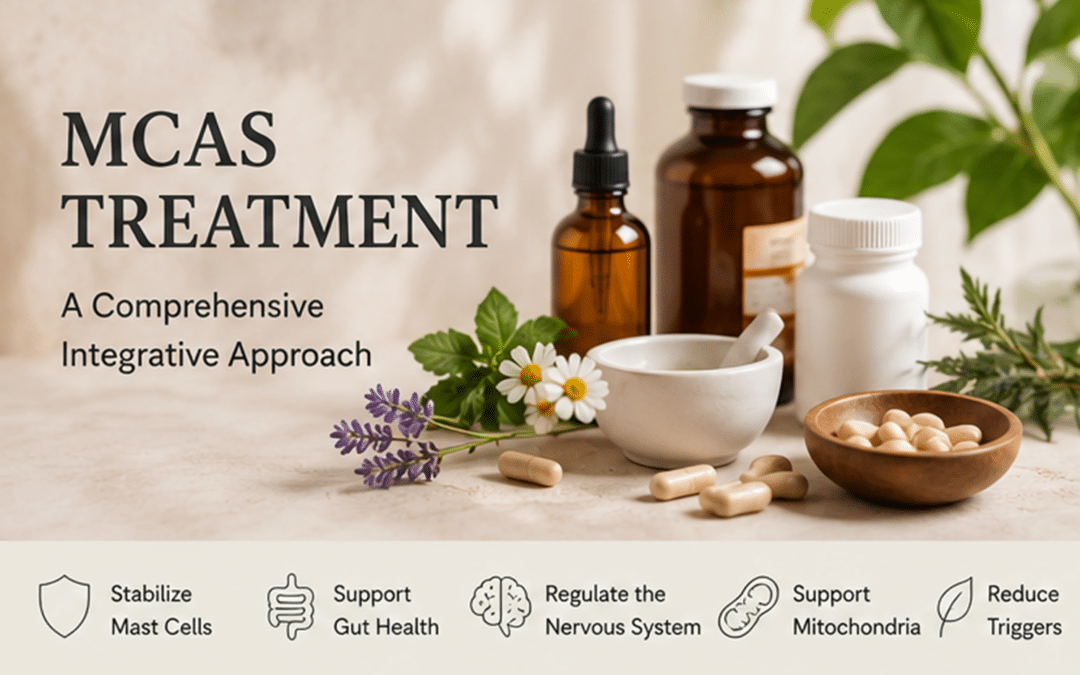
For patients struggling with mast cell activation syndrome, supporting mast cell stability and understanding individual histamine triggers may become an important part of the larger clinical picture.
For these patients, simply continuing to “kill more Lyme” may not address what is actually running the show. Sometimes the immune system itself has become one of the most important pieces of the puzzle.
4. A Nervous System That Has Forgotten What Safety Feels Like
The fourth factor is one that is incredibly close to my heart. People are not meant to suffer for this long.
Think about what happens when someone spends five, ten, or fifteen years waking up unsure of how their body is going to feel.
Will I be able to work today?
Will I be able to shower without feeling faint?
Will I tolerate the same food I ate yesterday?
Will this new treatment make me worse?
Will I have enough energy to see my friends?
Am I finally getting better?
Is this flare going to last a day, a week, or six months?
That uncertainty takes a toll.
Bella described this reality when she shared:
“Sometimes it feels like unless you’ve lived something like this, or loved someone who has, it’s impossible to fully understand.”2
After years of illness, the nervous system can become used to survival mode.
The body has spent so much time anticipating the next symptom, exposure, reaction, or setback that feeling safe can actually become unfamiliar.
This does not mean symptoms are “all in your head.” Nervous system regulation is not about telling a patient that their illness is psychological. The nervous system is part of our physiology. It communicates with the immune system, digestive system, cardiovascular system, and nearly every other system in the body. When the body has spent years in a prolonged state of stress and survival, nervous system regulation may need to become an intentional part of the healing process.
For some patients, this is not an optional wellness tool. The body may genuinely need to relearn that it is safe to rest. Safe to digest. Safe to recover. And eventually, safe to heal.

There Is No Single “Best” Lyme Disease Treatment
Patients ask us these questions all the time:
“What is the best Lyme clinic?”
“What is the best hospital?”
“What is the best treatment for Lyme disease?”
I wish there were a simple answer. There usually is not. The best treatment for one patient may be completely inappropriate, or poorly tolerated, by another.
In our work, we often see two broad subsets of Lyme disease patients. There is a group of patients who can go to an intensive inpatient clinic, receive multiple therapies within a condensed period of time, and slowly begin feeling better. For the right patient, this type of intensive and comprehensive program can be incredibly beneficial.
But there is another group of patients. These are often the patients with significant MCAS, immune dysregulation, mold illness, autonomic dysfunction, or a nervous system that has been in survival mode for years.
If these patients go through that exact same program, they may return home significantly flared. The clinic may be excellent. The doctors may be knowledgeable. The treatments may be advanced. But the treatment intensity did not match what that patient’s body could handle at that time. That distinction is incredibly important.
Why Treatment Sequencing Matters in Chronic Lyme Disease
One of the most overlooked parts of chronic Lyme disease treatment is timing. It is not only about choosing the right therapy. It is about choosing the right therapy at the right time.
When the immune system is already overwhelmed, aggressively targeting infections too early may cause a patient to become more symptomatic rather than creating sustainable improvement.
For some patients, we may need to stabilize mast cell activation first. For another patient, mold exposure may need to be addressed. Someone else may be severely nutritionally depleted.
Another patient may have significant autonomic dysfunction and can barely tolerate standing for ten minutes. Or patient’s immune system may be so dysregulated that every new treatment triggers another flare.
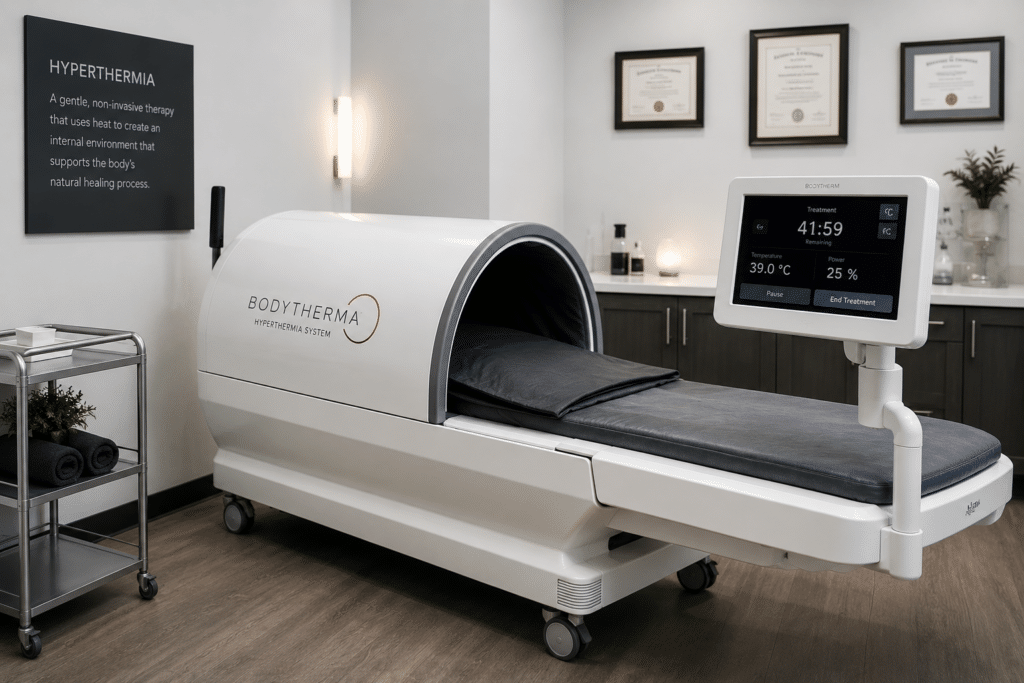
This does not necessarily mean antimicrobial therapies, extreme whole-body hyperthermia, or other advanced treatments are ineffective. The body may simply not be ready to receive them yet. Sometimes the most important step is building the body’s capacity so that when treatment is introduced, the patient can actually respond to it.
Why Some Lyme Patients Struggle With Intensive Treatment Programs
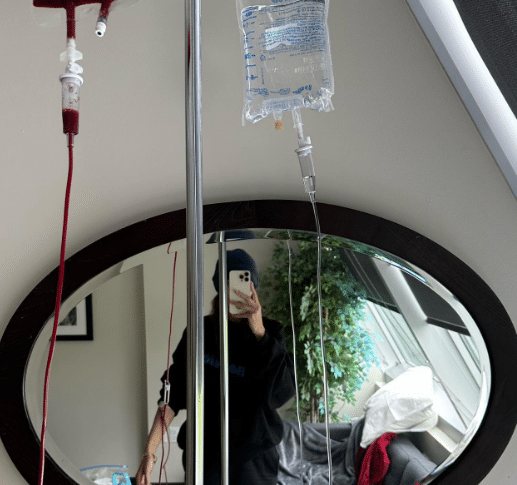
A patient with a multisystemic complex chronic illness may react to medications, IV ingredients, temperature changes, fragrances, foods, environmental exposures, and even the physiological stress of treatment itself.
Now imagine introducing several new therapies within the same week. If the patient flares, how do we know what caused the reaction? More importantly, how quickly can the treatment plan be adjusted? This is why looking at a clinic’s list of available therapies only tells us part of the story. The more important question is:
How does the medical team determine which of those therapies your body is ready to receive?
A patient should not have to complete every treatment simply because it is included in a program. For complex patients, the ability to modify, pause, and carefully sequence treatment based on the body’s response can be incredibly important.
A Different Treatment Model for Complex Lyme and Multisystemic Complex Chronic Illnesses
Over the last several years, we have started to pivot the way we look at treatment centers for our most sensitive and complex patients. For patients with significant immune dysregulation, MCAS, or multisystem illness, we have increasingly looked toward hospitals that place a greater emphasis on the immune system, stabilization, and highly individualized care.
Instead of introducing every available therapy immediately, treatments are added based on how the patient’s body is responding. For some patients, this may mean going to a hospital for two weeks. They complete a carefully selected phase of treatment and then come home.
For the next month or two, the focus may be on helping the body integrate those treatments, supporting the immune system, improving nutritional status, continuing nervous system work, addressing mast cell activation, and allowing the body to become stronger. Then, when the patient is ready, they may return for the next phase of treatment.
I understand why this can feel frustrating. When you have been sick for years, you want to do everything. You want to attack every infection. You want to use every therapy available. You want your life back. But sometimes, doing more is not what moves the body forward.
Sometimes, doing the right amount at the right time creates far more sustainable progress. With this more individualized and phased approach, we are seeing complex patients become more receptive to treatment and better able to sustain the progress they make. The goal is not simply to survive an intensive treatment program. The goal is to create sustainable results.
Questions to Ask When Choosing a Lyme Disease Treatment Center
If you are considering an inpatient or intensive treatment program for Lyme disease or complex chronic illness, I encourage you to ask:
- How is my treatment plan individualized?
- Are treatments adjusted based on how my body responds?
- How are MCAS, mold illness, and CIRS evaluated?
- Does the program evaluate immune dysfunction?
- Is there physician oversight throughout treatment?
- How are significant treatment reactions or complications managed?
- Does the program understand autonomic nervous system dysregulation?
- What happens if I cannot tolerate the planned therapies?
- Is the medical team willing to slow down or change my treatment plan?
- What follow-up care is provided when I return home?
- How is patient safety monitored during intensive therapies?
The answers to these questions may tell you far more than simply comparing treatment lists.
Bella Hadid Lyme Disease Story Reminds Us That Healing Is Not Linear
Perhaps one of the most powerful parts of Bella Hadid’s story is her willingness to show what chronic illness actually looks like.
In 2023, she shared that she felt “finally healthy.” Later, she again shared images from a hospital and openly discussed the physical and emotional exhaustion of another flare.
To someone who has never lived with complex chronic illness, this may seem confusing. To those of us who have lived it or work with these patients every day, it makes complete sense.
Healing is not always a straight line. You can make progress and still flare. You can respond to treatment and still have difficult months. You can feel stronger than you did three years ago and still have days when your body completely shuts down.
A difficult month does not erase the progress you made during the previous year. Needing additional treatment does not automatically mean every treatment you previously completed failed, and experiencing a flare does not mean you are back at the beginning.
As Bella shared, “every hardship leaves us with a lesson, a deeper compassion, or a strength we never knew we had.”1
There is something incredibly powerful about someone with Bella’s platform being willing to show the hospital rooms, the exhaustion, and the difficult days, not just the moments when she feels well.
For so many people battling tick-borne infections, her authenticity reflects a very real reality.
You can feel hopeful and exhausted at the same time. You can be grateful for progress and still grieve the life you have lost to illness. You can be healing and still have hard days. Healing is rarely as simple as a before-and-after photo.
Finding an Individualized Approach to Lyme Disease Treatment Like Bella Hadid Lyme Disease Journey
At The Lyme Specialist, we help patients navigate the often-overwhelming process of recovering from Lyme disease, tick-borne infections, mold illness, MCAS, and complex multisystem illnesses.
One of the most important questions we ask is: What is running the show right now?
Is the primary driver a high pathogenic burden?
Is mold or another environmental exposure preventing progress?
Has the immune system become significantly dysregulated?
Is MCAS making the patient unable to tolerate treatment?
Is the body nutritionally depleted?
Has the nervous system spent so many years in survival mode that the body is struggling to shift into a state of recovery?
Often, there is more than one answer.
Our role is to help patients better understand their individual clinical picture, navigate the recovery process, and evaluate which treatment options or clinics may best meet their body where it is today.
Because the “best” Lyme clinic is not necessarily the clinic with the longest list of treatments.
It is the program that understands what your body needs now, and what it may be ready for next.
Hope for Patients Living With Chronic Lyme Disease
Bella Hadid’s willingness to speak openly about her health has helped bring greater attention to Lyme disease and the reality of living with a complex, often invisible illness. Her story is an important reminder that recovery is often a journey rather than a single event.
If you are struggling right now, a flare does not erase every step forward. Sometimes the treatment plan needs to change. Sometimes the body needs additional support. Sometimes we need to stop asking, “What else can I kill?” and start asking, “What is my body struggling with right now?” Sometimes we need to look deeper at what is driving the illness today rather than continuing to treat the body the same way we did several years ago.
As our understanding of Lyme disease and multisystem chronic illnesses continues to evolve, individuality in treatment has become more important than ever.
At The Lyme Specialist, we help patients navigate the recovery process and take a deeper look at what may be “running the show.” We also help patients evaluate treatment options and clinics based on their individual needs and where their body is in the healing process.
The goal is not to force the body through more treatment. The goal is to meet the body where it is. Strengthen its capacity and introduce the right interventions at the right time.
For many complex patients, that shift may be one of the most important steps toward creating meaningful and sustainable progress.
References:
1. https://people.com/bella-hadid-chronic-illness-what-to-know-12009478
2. https://www.eonline.com/news/1433378/bella-hadid-gives-health-update-amid-lyme-disease-battle